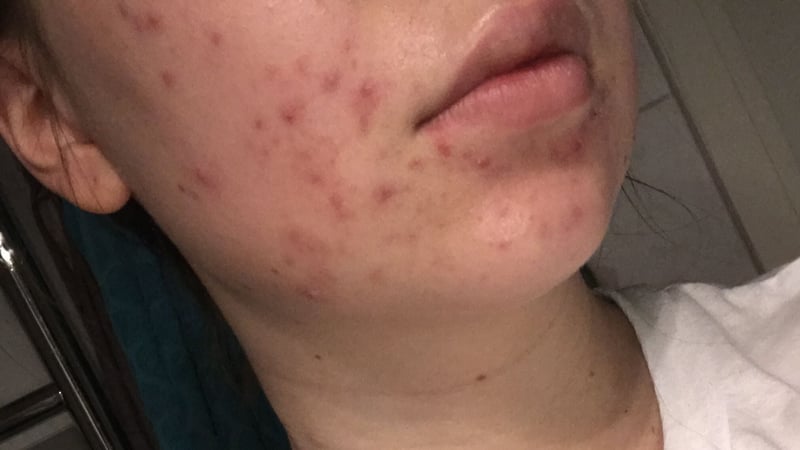
What causes acne?
It is therefore not a matter of hygiene, even though neglecting facial cleansing can lead to clogged pores and other impurities. In acne, painful, red pimples can suddenly appear on otherwise healthy skin "for no reason. "
Sebaceous glands located in the facial skin secrete an oily substance called sebum onto the surface of the skin, whose function is to protect and moisturize. When the sebaceous glands malfunction, various skin problems can arise. Increased sebum production can promote the development of whiteheads, blackheads, and other impurities, thereby contributing to acne formation.
The formation of acne pimples is mainly influenced by four interrelated factors: increased sebum production, changes in bacterial growth within the sebaceous glands, thickening of the outermost layer of the skin (the stratum corneum) and the resulting blockage of the sebaceous duct, as well as inflammation. In inflammatory acne, red pimples and pustules appear on the skin, whereas in comedonal acne, blackheads and whiteheads are more common, with little inflammation.
How do plant extracts support acne-prone skin?
Carefully selected plant extracts have many beneficial effects on the skin that can help combat acne. According to studies, certain plant-based ingredients help prevent excessive sebum production, inflammation, and thickening of the stratum corneum. In other words, plant extracts target several factors that cause acne, making them effective ingredients for both prevention and treatment.
Bacteria that cause acne trigger an inflammatory reaction in the skin, leading to the formation of pimples. Anti-inflammatory plant extracts work by reducing the activity of molecules that transmit inflammatory signals in the skin.
The thickening of the stratum corneum (also known as hyperkeratinization) results from a dysfunction in the skin's keratinocyte layer, in which keratinocytes fail to shed normally and instead "stick" together, causing a buildup of excess keratin. This accumulated keratin mass can clog the sebaceous ducts. Studies show that plant-based ingredients can reduce the amount of keratin protein associated with hyperkeratinization and thus help prevent the thickening of the stratum corneum.
Blank& products help comprehensively with acne-related skin issues: in addition to plant extracts' ability to soothe, reduce redness, and prevent acne-causing factors, Blank& products also address other problems caused by acne itself or by medical acne treatments. Topical and internal acne medications, such as retinoids and acids, often dry out and irritate the skin. Isotretinoin, taken orally as a course of treatment, not only dries the skin but also the body's mucous membranes.

Blank& Amio and Evie facial oils nourish and soothe dry, irritated skin, forming a protective layer that locks in moisture. The Veya facial mist contains a high amount of humectants—ingredients that attract moisture—and works excellently when sprayed on the face throughout the day, even over makeup, whenever the skin needs extra hydration.
For particularly irritated skin, we recommend trying the Neo Oil Booster. The oil can be applied directly to problem areas or mixed with a few drops of your favorite moisturizer. Neo can also be used on other parts of the body, for example to treat eczema.
If acne is being treated with isotretinoin (a medication commonly prescribed by dermatologists), it can cause dryness of the mucous membranes as a side effect. In such cases, Blank& Etna lubricant can help, as it also works as a mucosal care product. The sea buckthorn oil in Etna is rich in omega fatty acids, beta-carotene, and vitamin E, effectively nourishing and repairing the mucous membranes.
Read more about the benefits of plant extracts for acne-prone skin: